71C. The Last Supper [1943.]
-
octavian-olariu octavian-olariu
lot.sold:
102.500,00 EUR
lot.estimate:
70.000,00 EUR -
110.000,00 EUR
lot.sold:
102.500,00 EUR
- signature
- signed lower right "J. Kljaković"
- medium
- oil on canvas
- description
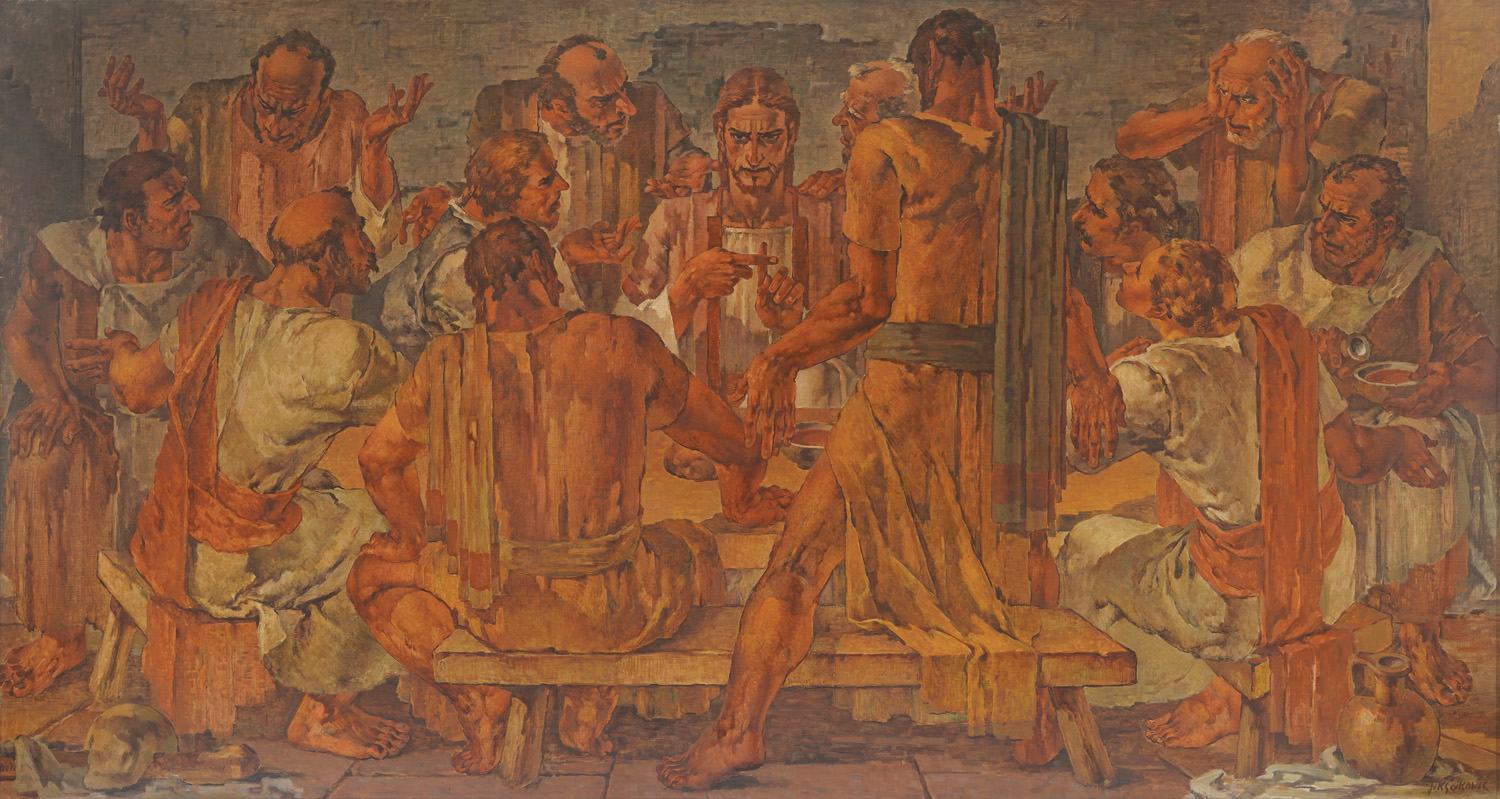
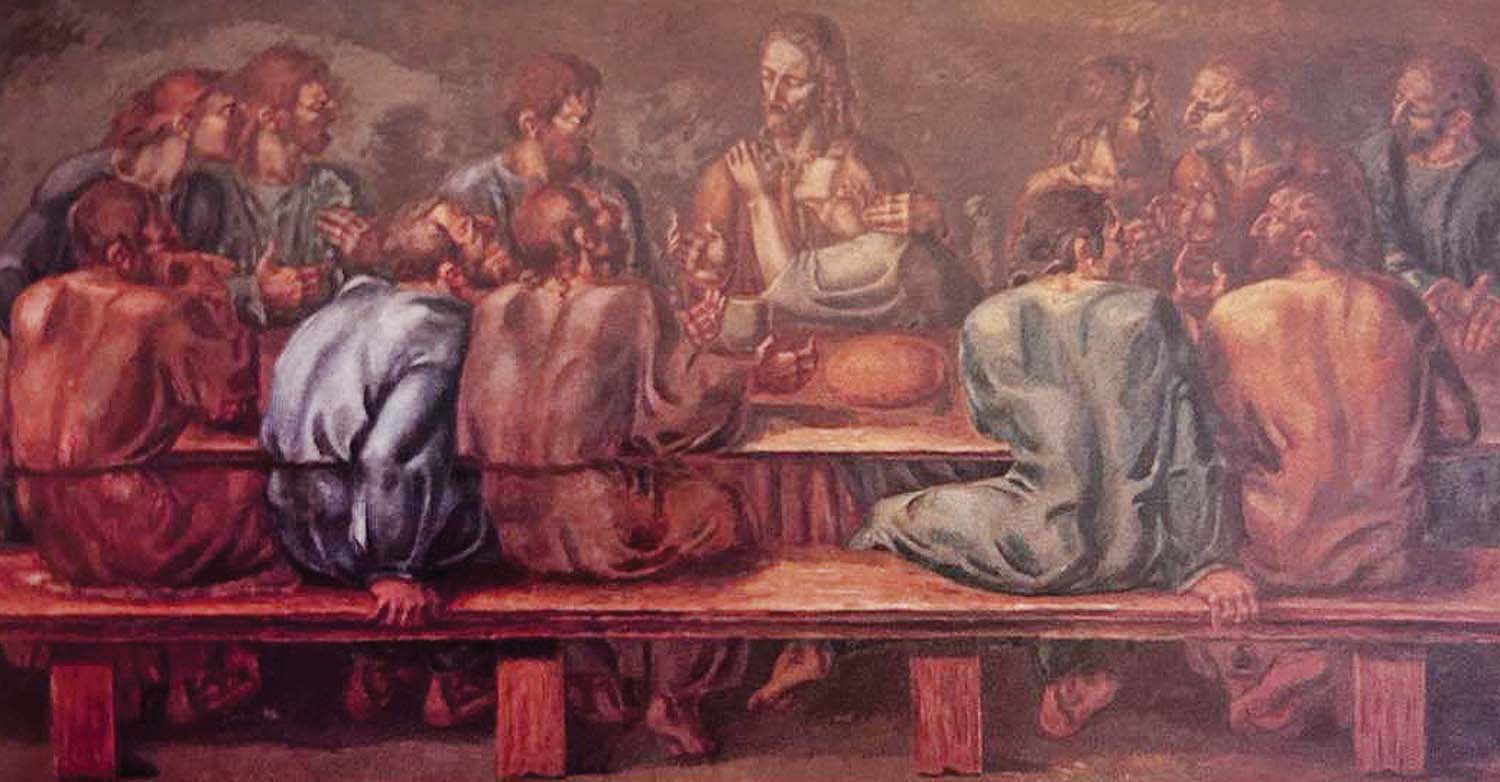
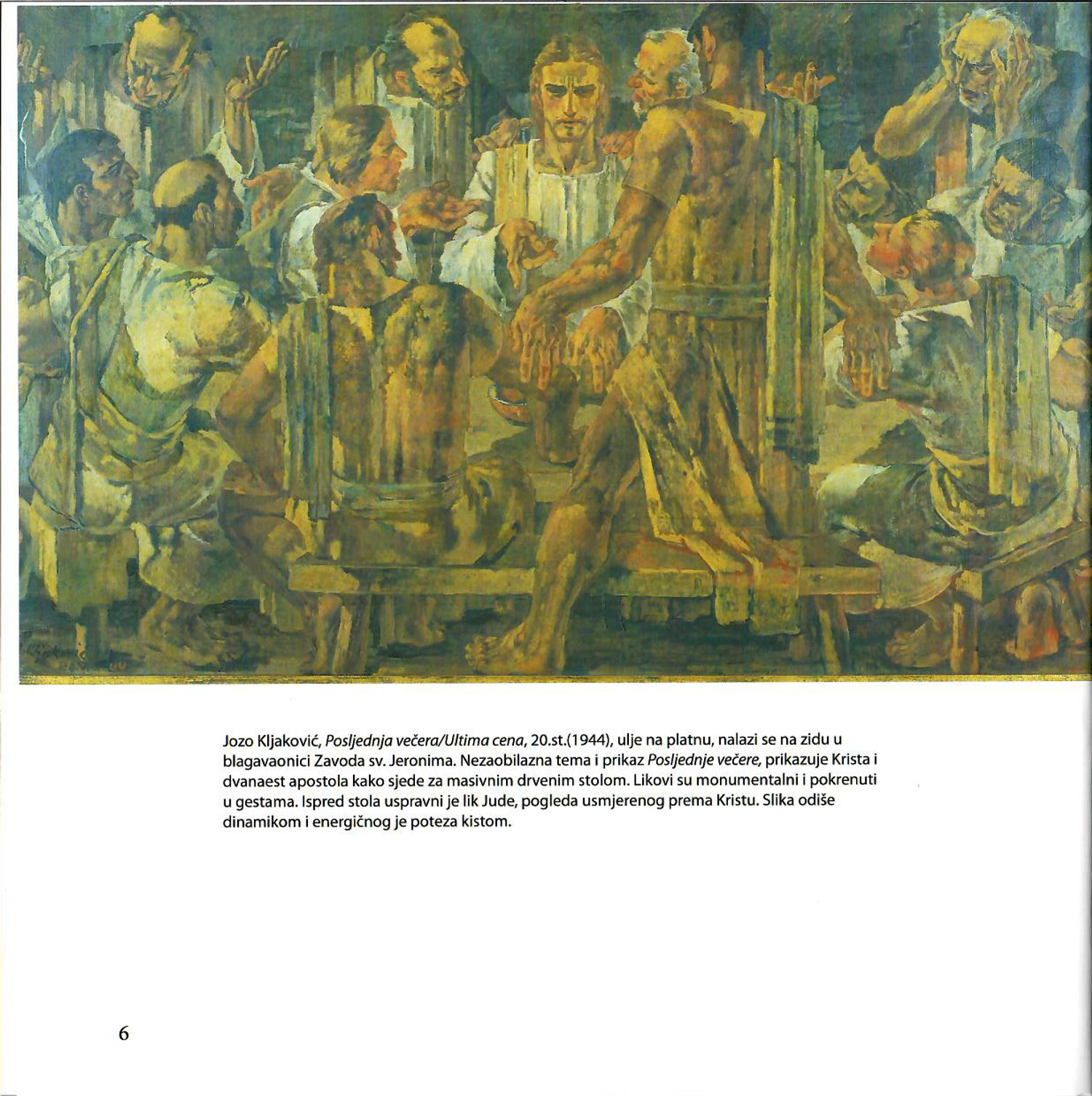
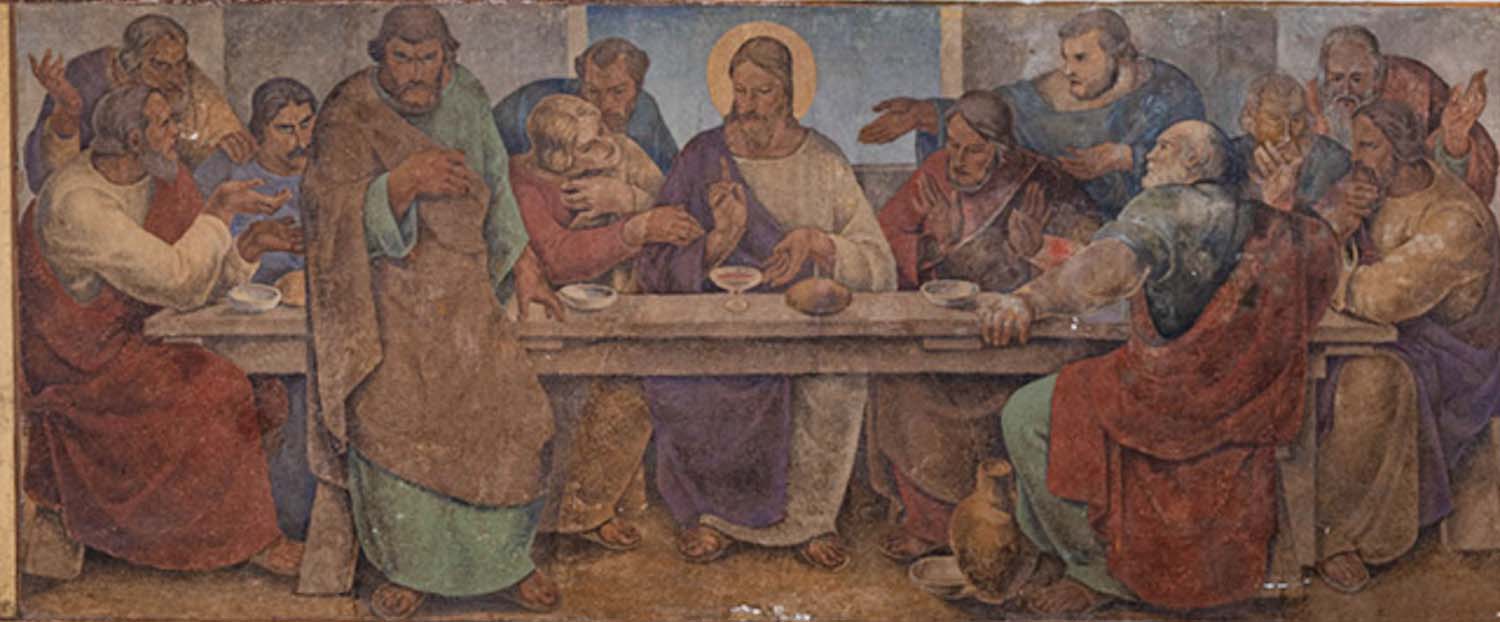
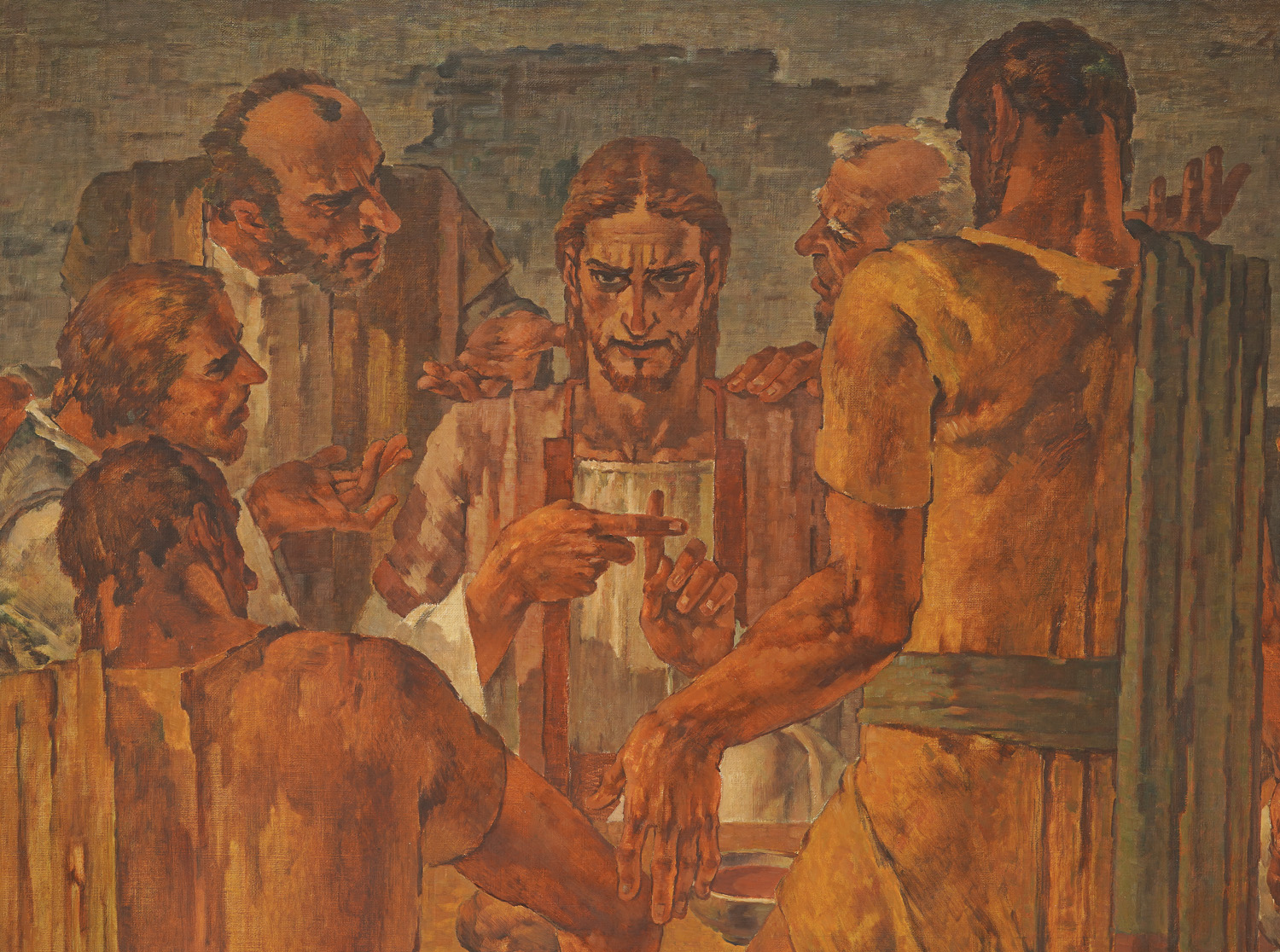
- Jozo Kljaković (Solin, 1889. - Zagreb, 1969.) was a distinguished Croatian painter, muralist and professor. He was born in Solin, and obtained his artistic education in various art centers across Europe where he became acquainted with modern art movements and some of the key protagonists of the then art changes that left a lifelong influence on the painter. Long before the start of his official art education, Kljaković was drawing archaeological finds of the well-known archaeologist and family friend, don Frane Bulić, which were found in Kljaković's native Solin. After graduating from secondary school in Split, young Kljaković went to Prague. According to his father's wishes, Kljaković enrolled in architecture, while simultaneously learning painting at the Academy from Vlaho Bukovac (1908). In the studio of Vlaho Bukovac, the young artist encountered the work of Gustav Klimt, the leader of the Vienna Secession, whom he subsequently personally visited in Vienna, and the influence of the Secession remained noticeable in his work for a long time. Shortly after returning to Zagreb, Kljaković again left his homeland for further art education. He attended the Istituto delle belle arti in Rome and then went to Geneva in 1917 to learn from Ferdinand Hodler, whose symbolism left a mark on the artist and his work. Only after the end of the war did Kljaković return to Zagreb, which, on the recommendation of Ivan Meštrović, he again left to specialize in fresco painting. In 1920, he travelled to Paris where he received instruction from master Marcel Lenoir that prepared him for the creation of monumental frescoes, which today occupy a central place in his oeuvre. After returning to Zagreb, Kljaković became a professor at the Zagreb Academy of Fine Arts, where he remained until 1943. As a professor at the Academy of Fine Arts in Zagreb, he had a significant influence on younger generations of Croatian artists. Kljaković's life was inevitably marked by the influence of extremely turbulent political events in the first half of the 20th century, which on several occasions forced the artist to stay abroad. The arrest of the artist and Ivan Meštrović in 1941 under charges of acting against the then political regime had far-reaching consequences for the artist's life and creativity. During his four months in prison on Savska Street, Kljaković experienced his first attack of blindness, to be eventually put under house arrest and spent almost the rest of his life in political emigration. Kljaković's artistry is permeated with influences gained during his stay in European art centers, as well as the instruction and friendships he gained with leading actors of the then art scene. Visible in his works is the influence of mentor Ferdinand Hodler and his symbolism, the influence of classical aesthetics, ornateness and monumentality of Renaissance masters, the influence of Gustav Klimt and the Vienna Secession, but also the neoclassicism of his friend Ivan Meštrović. Kljaković's works are characterized by an emphasis on the human figure, monumentality of form achieved through stylization, dedication to drawing and composition, and a recognizable palette of rich and warm tones that gradually shift to almost monochrome painting over time. The painter's body of work is full of both sacred and secular themes - such as depictions of fishermen (''Fishermen''/''Uskoks'', 1920), harvests and crops - rooted in Kljaković's childhood and native region. On the other hand, his historical and religious paintings depict motifs from key events in Croatian history as well as depictions of Christ's life and, less frequently, scenes from the Old Testament. A special place in Kljaković's work is occupied by monumental works of historical and religious themes, commissions in the form of frescoes, mosaics and oils. This group includes works on the walls of the church of St. Mark in Zagreb (1923.-1940.), parish church in Vranjic (1927.), parish church in Dobrota (1930.) made in cooperation with Antun Mezdjić, the church in the Bishopric near Knin and the halls of the Town Hall in Zagreb, as well as mosaics and oils made for the Jerome Institute in Rome. “The Last Supper” is one such monumental depiction, created in 1943, before the painter's departure to Rome. Although initially conceived as a fresco according to the collector's wishes, it was created on canvas for easier transportability. The composition of this famous scene places 12 apostles around a barely visible table, some of them with their backs to the observer. The dynamic of the scene is achieved by the gestures and mutual glances of the participants: the figures and gazes of the apostles are directed towards the center of this dynamic composition where Christ is located, and his gaze is directed directly at the observer, drawing him into the scene. The apparent sudden standing of some apostles contributes to the feeling of unrest within the scene, but also the strokes of the brush, short and dynamic, contribute to the trembling and excited atmosphere of the work. These near impressionistic strokes characterize Kljaković's works from the beginning of the forties and differentiate them from earlier works, such as the fresco "The Last Supper" in the church of St. Martin in Vranjic (1927.). This oil painting, monumental both in its depiction and dimensions, also served as a kind of template for "The Last Supper" created just a year later (1944.), already in a somewhat darker palette in the Jerome Institute in Rome for the dining hall of the institute. This masterpiece is a testimony to Kljaković's masterful skill and spiritual depth and as such constitutes an exceptional piece of Croatian cultural heritage.
- bio
- Petra Senjanović, Jozo Kljaković 1889. - 1969.: Retrospective, Klovićevi Dvori Gallery, November 26, 2009 - January 24, 2010.
- dimensions
-
- width: 300 cm
- height: 160 cm
- research_info
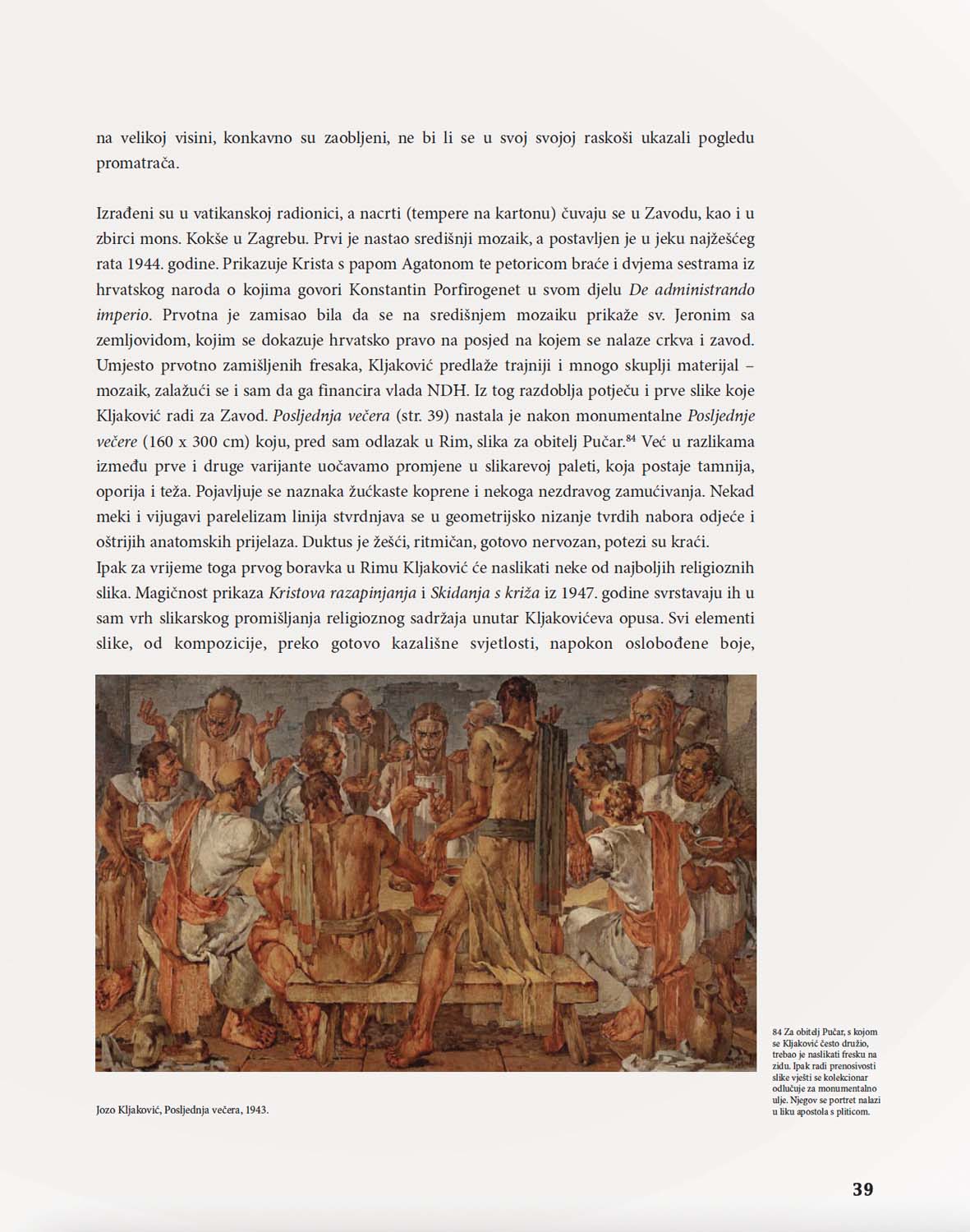
- The work is reproduced in the monograph "Jozo Kljaković", with a foreword by Giorgio de Chirico, Rome, Ed. Universitas, 1947, under the title "La Ultima Cena". The work is also reproduced and analyzed in "Jozo Kljaković (1889. – 1969.): Retrospective, Klovićevi dvori Gallery, Zagreb, 26. 11. 2009. – 24. 1. 2010., p. 39. This monumental work of art was conceived as a fresco, or at least that was the choice or initial request of the collector when hiring Kljaković. Following the artist's advice and after reconsidering its portability, the work was nevertheless executed in oil on canvas, measuring 160 x 300 cm. Kljaković painted and finished the work in 1943 – it is the last work he completed before leaving for Rome. In the carried out valuation procedure, the City Institute for the Protection of Cultural and Natural Monuments assumes that this exceptional painting has the property of cultural heritage.
- dating
- 1943.
- provenance
- Made to order for Zvonimir Pučar, a friend, patron, and one of the most significant collectors of the 20th century.
INFORMAȚII SUPLIMENTARE
Fotografiile lotului sunt informative și orientative, neputând să asigure o vedere extrem de detaliată a obiectului din toate unghiurile. Recomandăm inspectarea fizică atentă a lotului înainte de licitare. Informații suplimentare în legătură cu starea de conservare, altele decât cele evident vizibile în fotografia/fotografiile lotului, disponibile pe calea formulării unei solicitări aici.
Pentru neclarități în legătură cu procedura de licitare, costurile adjudecării, termenii de garantare, de plată și de ridicare a lotului adjudecat recomandăm citirea/recitirea cu atenție a Regulamentului de Licitare.
Pentru informații suplimentare în legătură cu lotul și licitația contactați Departamentul de Consultanți de Artă.