71Т. Chapter [cca. 1940]
-
vladimirov-javacheff-christo vladimirov-javacheff-christo
lot.sold:
32.000,00 EUR
lot.estimate:
15.000,00 EUR -
25.000,00 EUR
lot.sold:
32.000,00 EUR
- medium
- limestone
- description
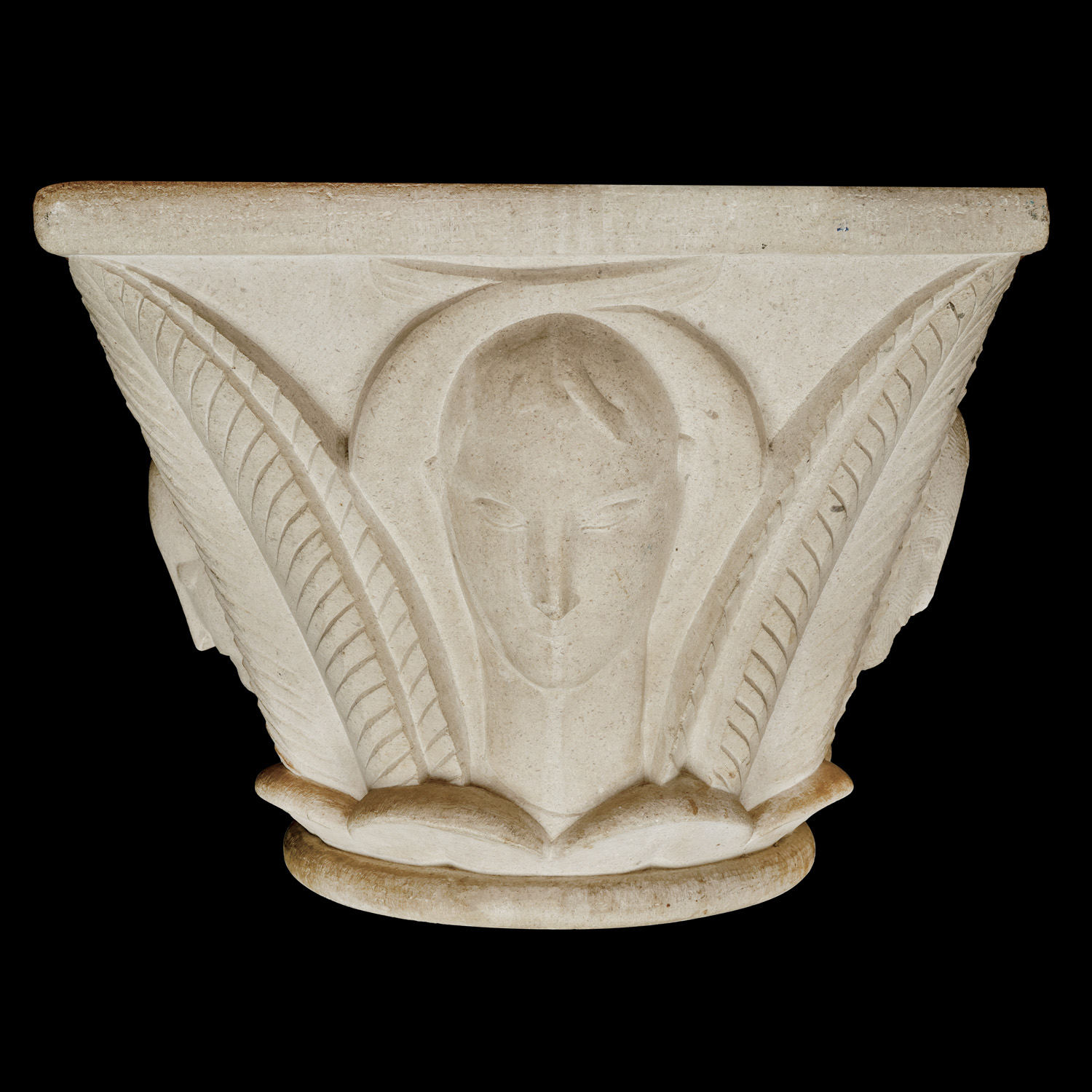
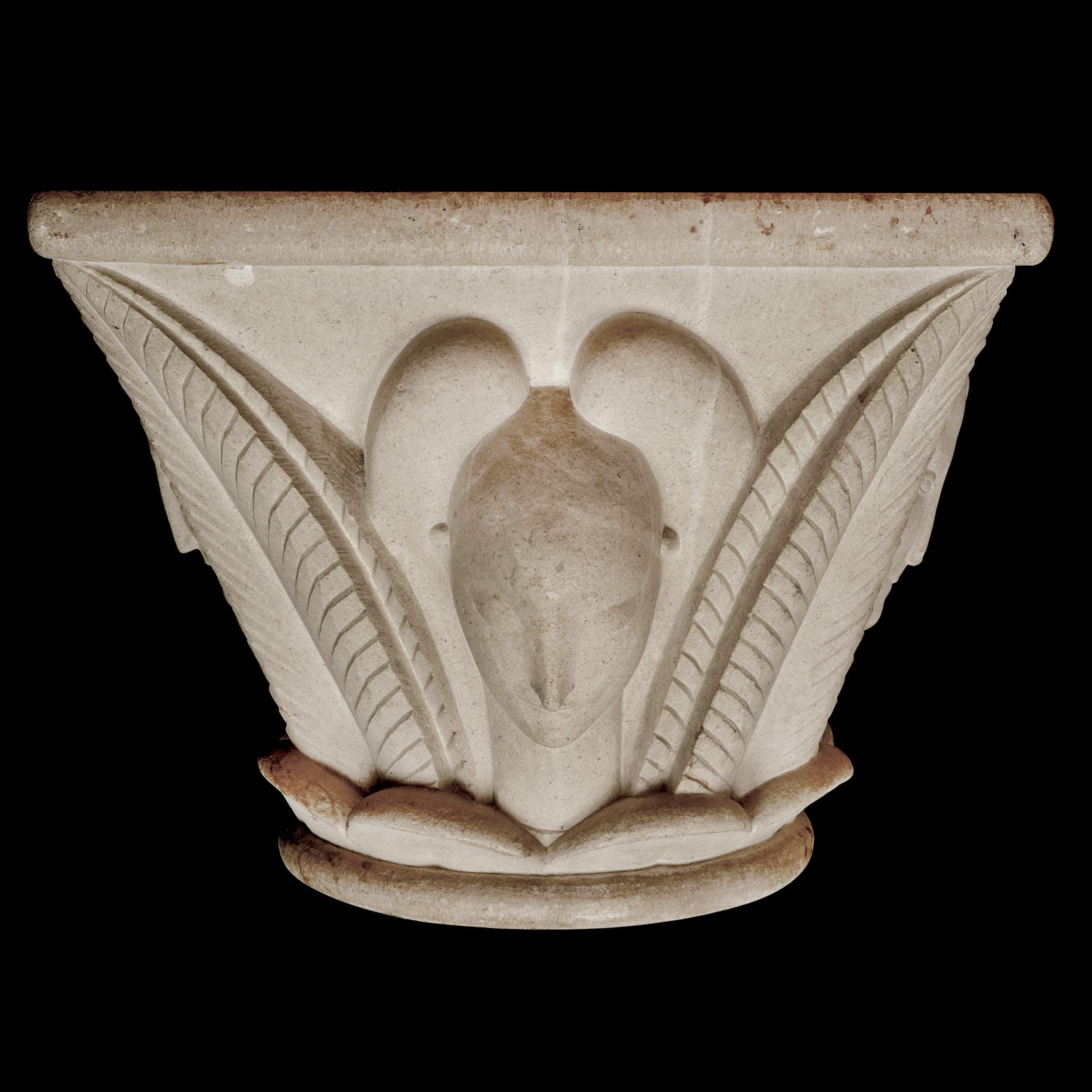
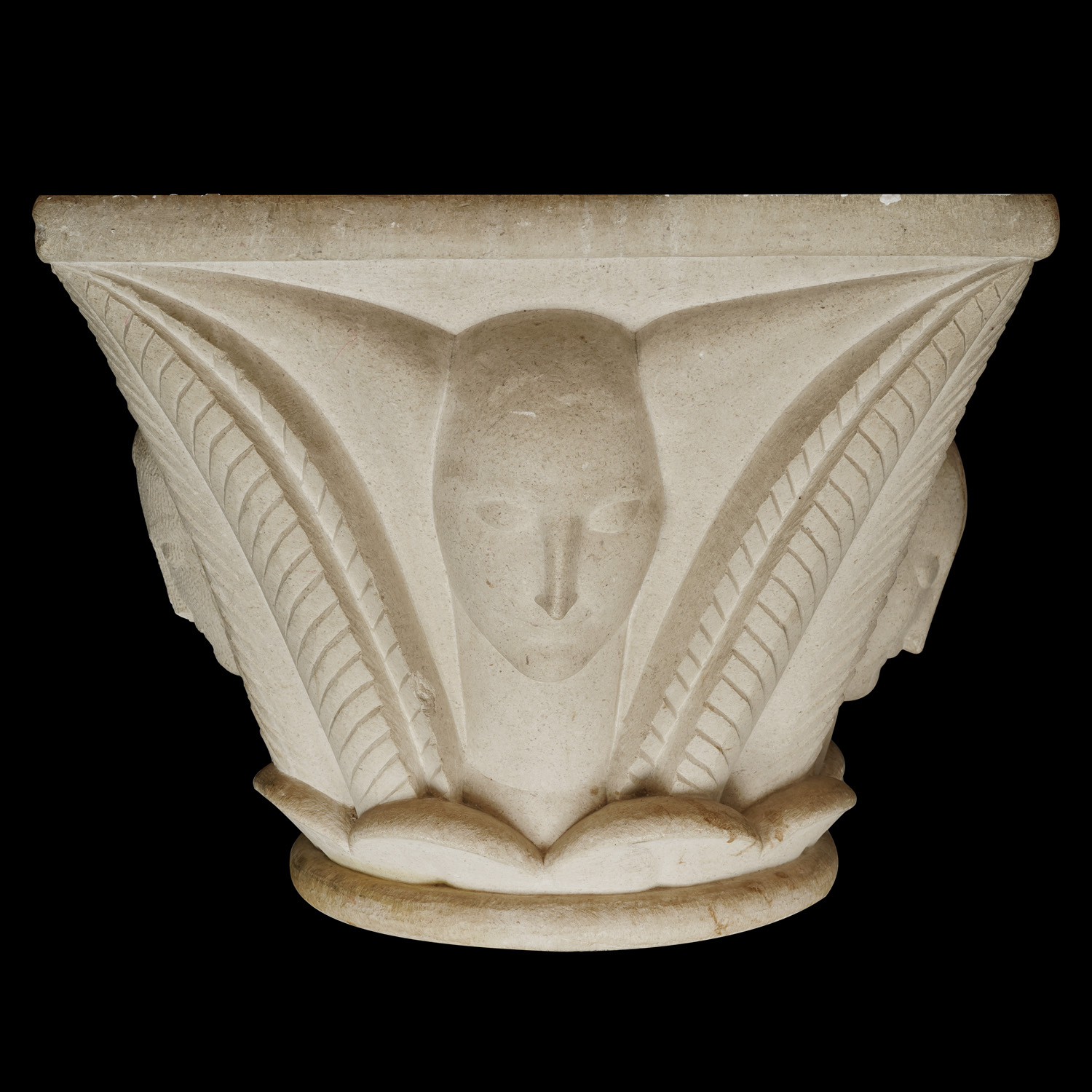
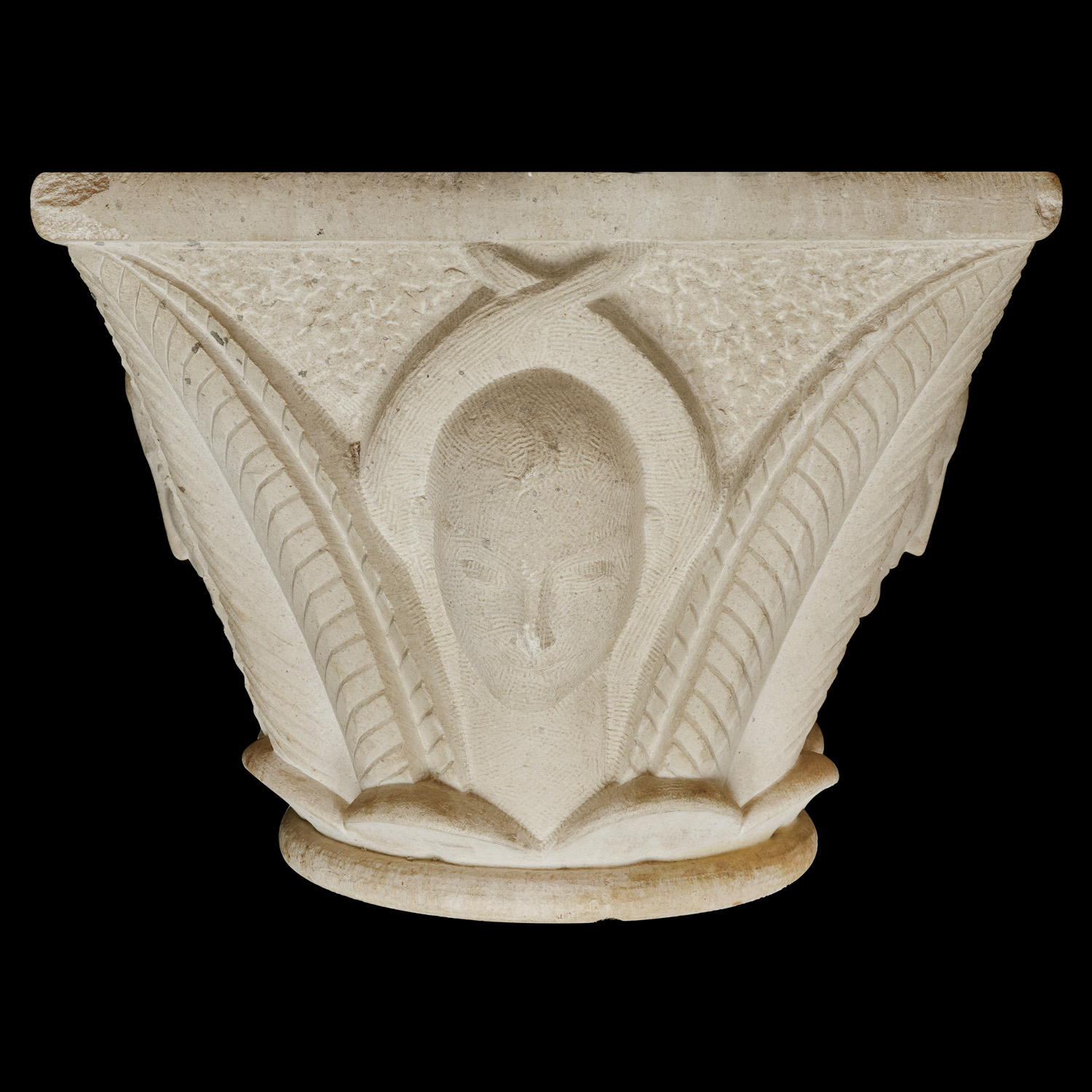
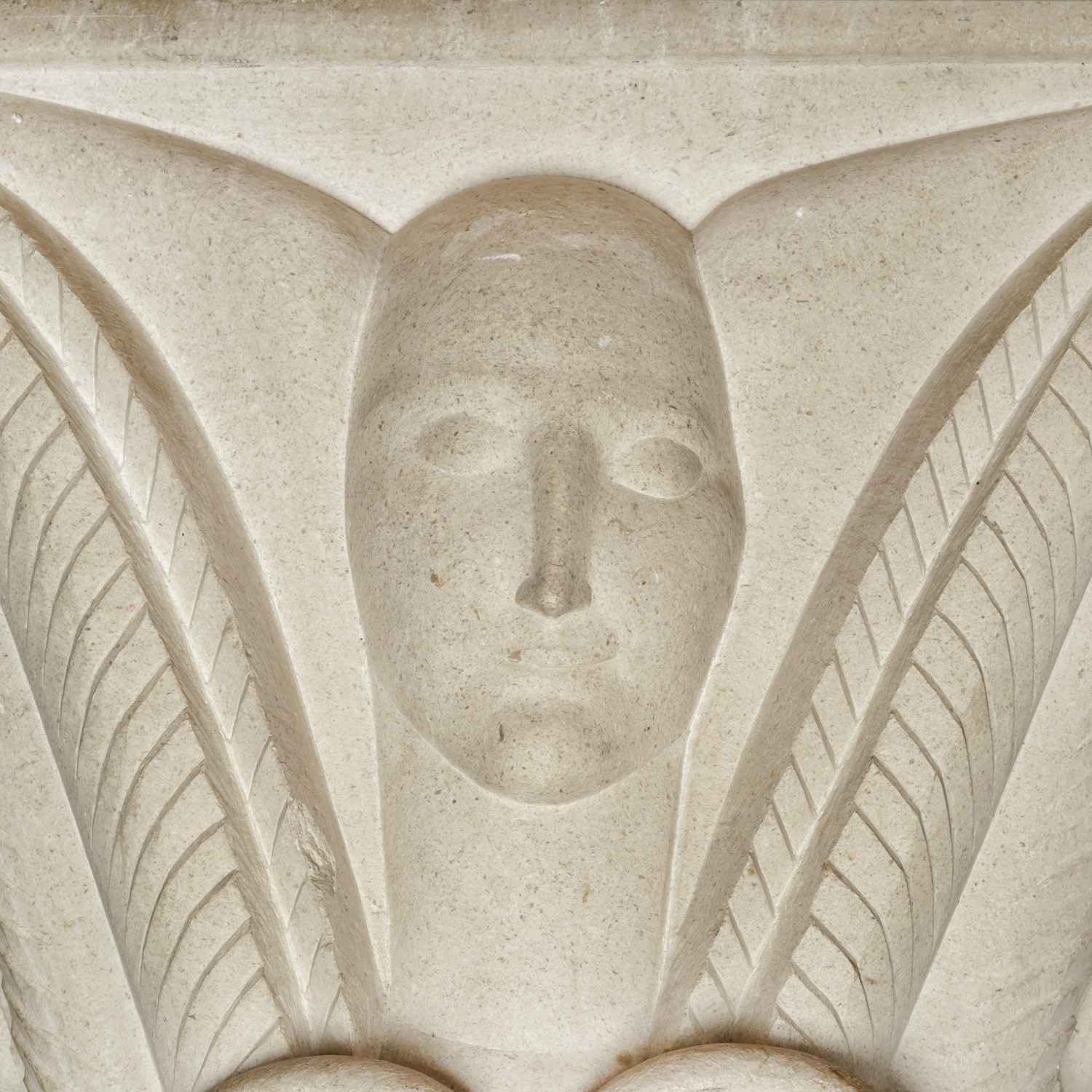
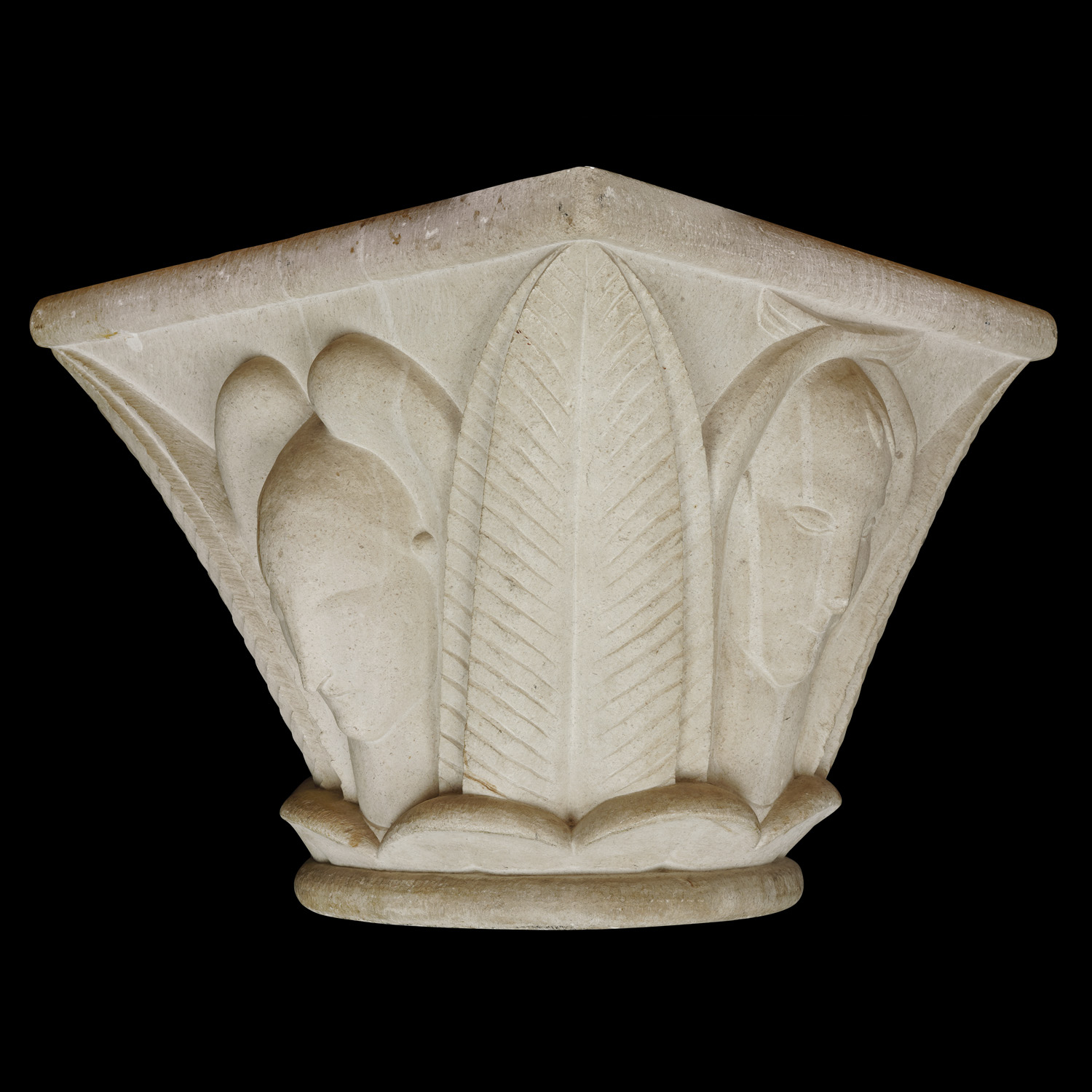
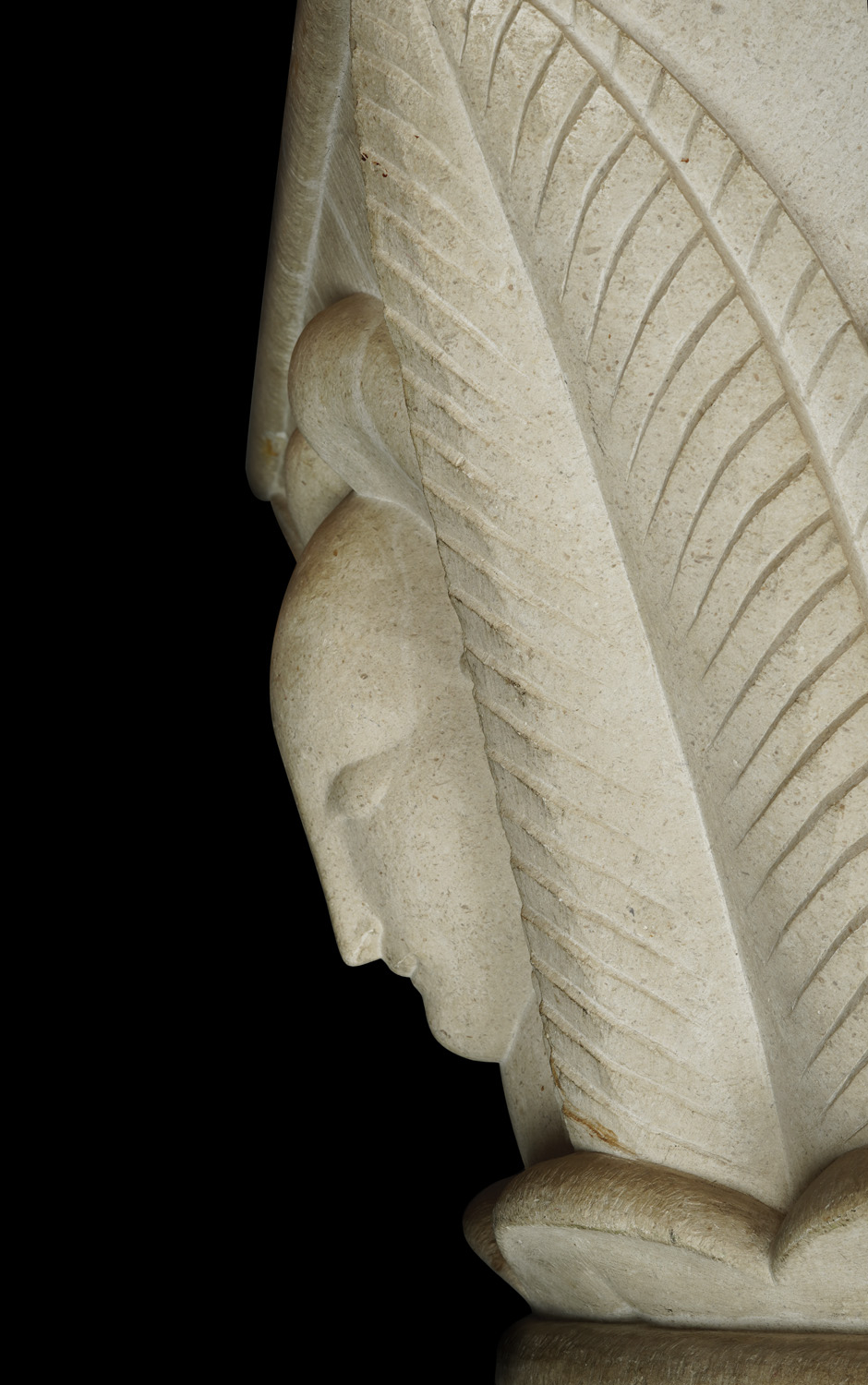
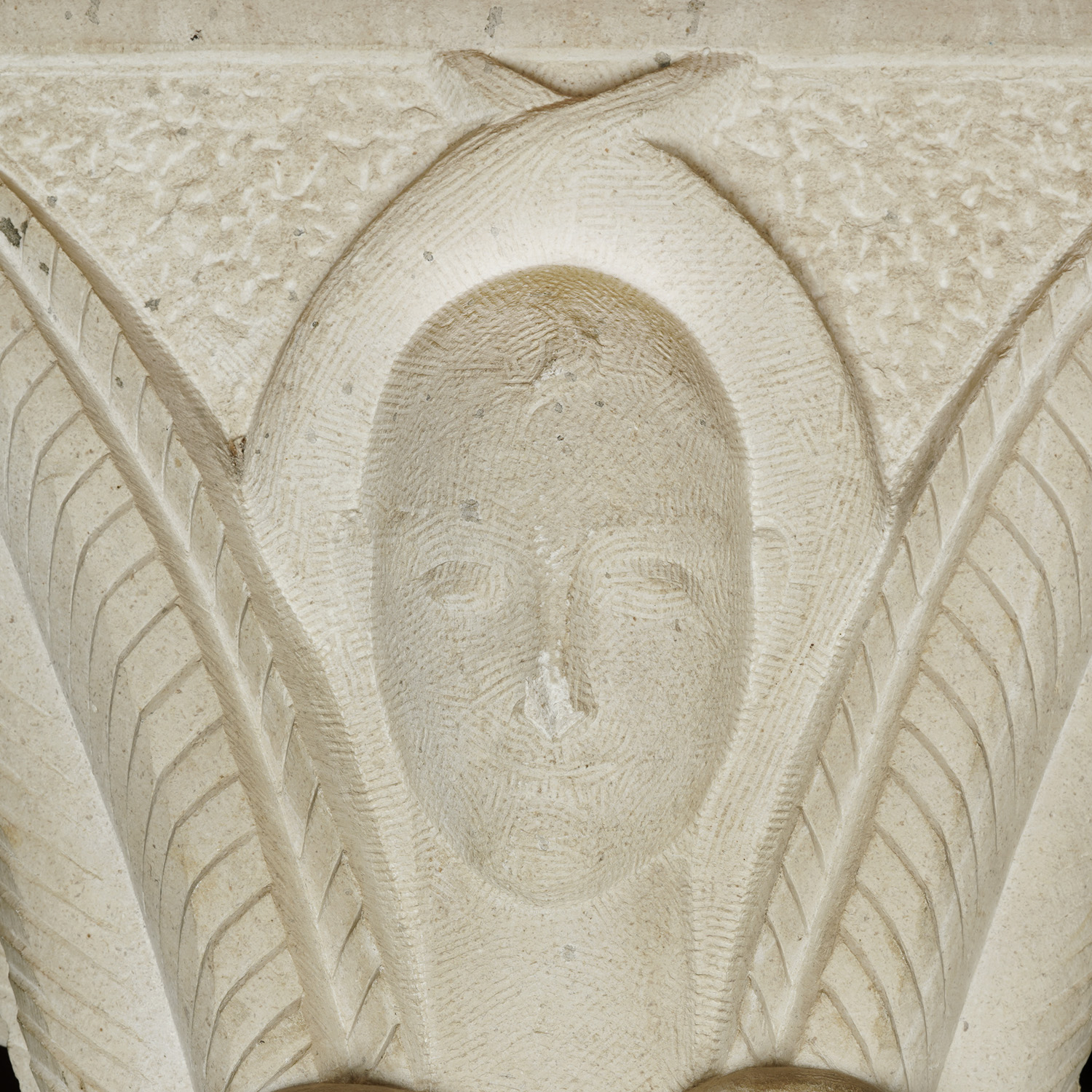
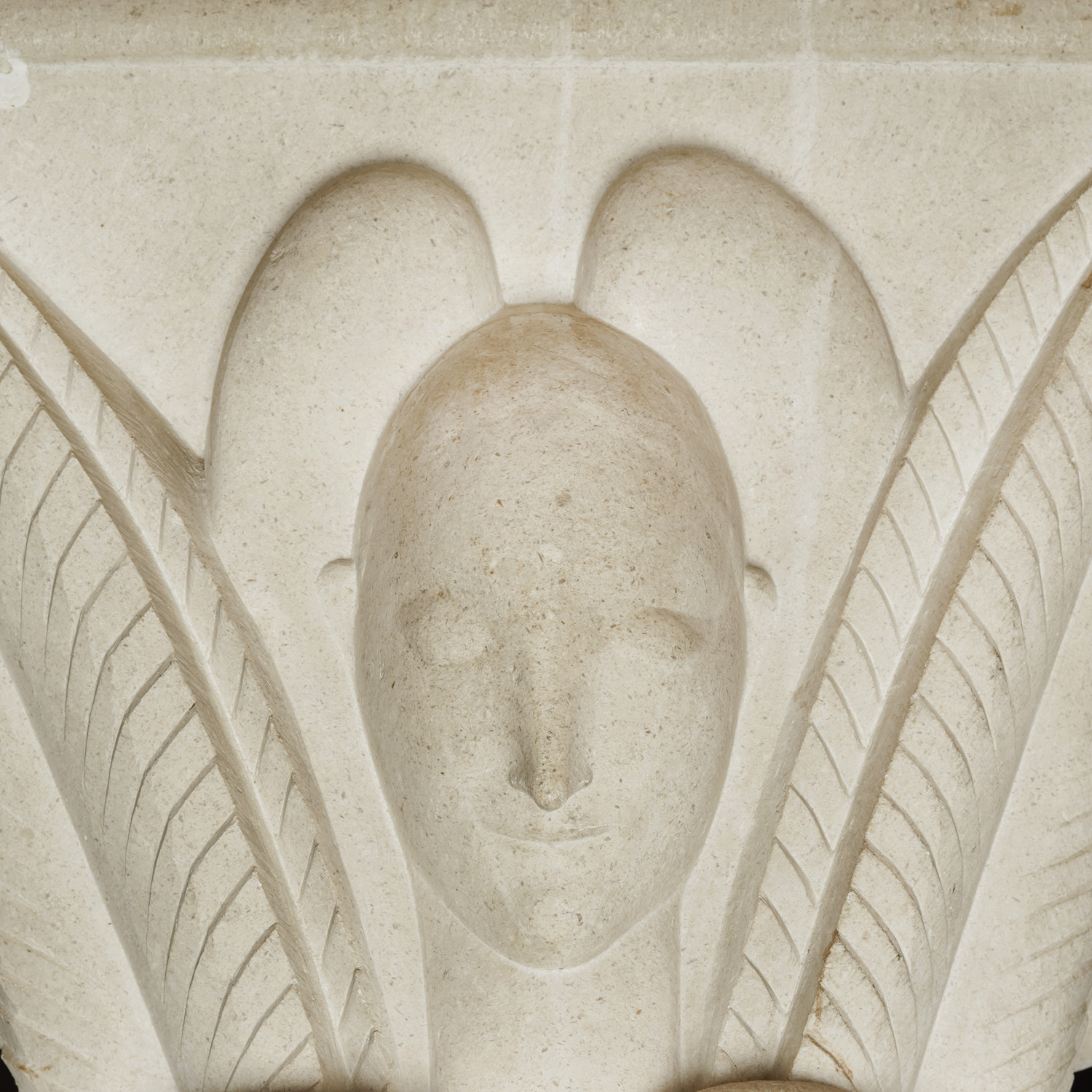
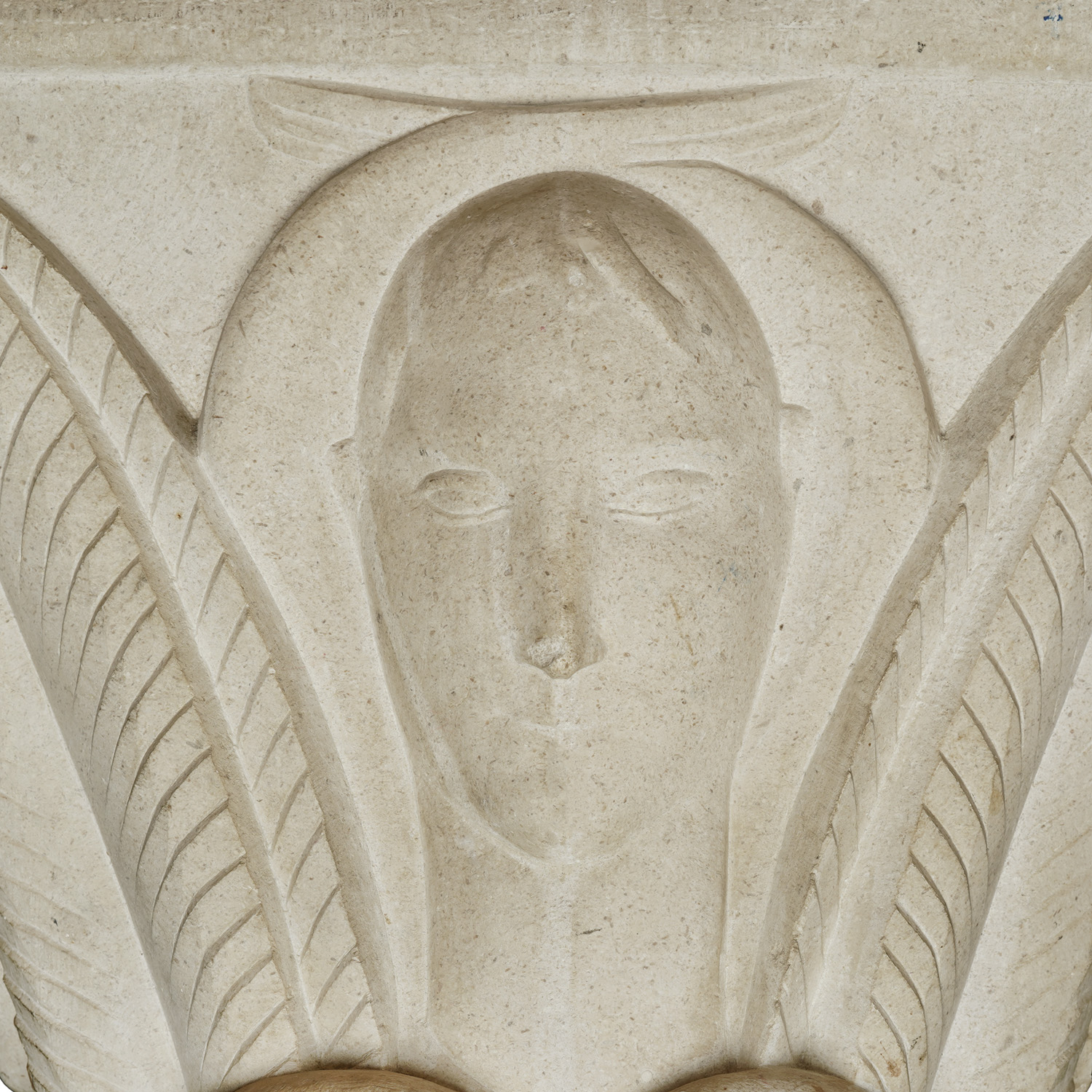
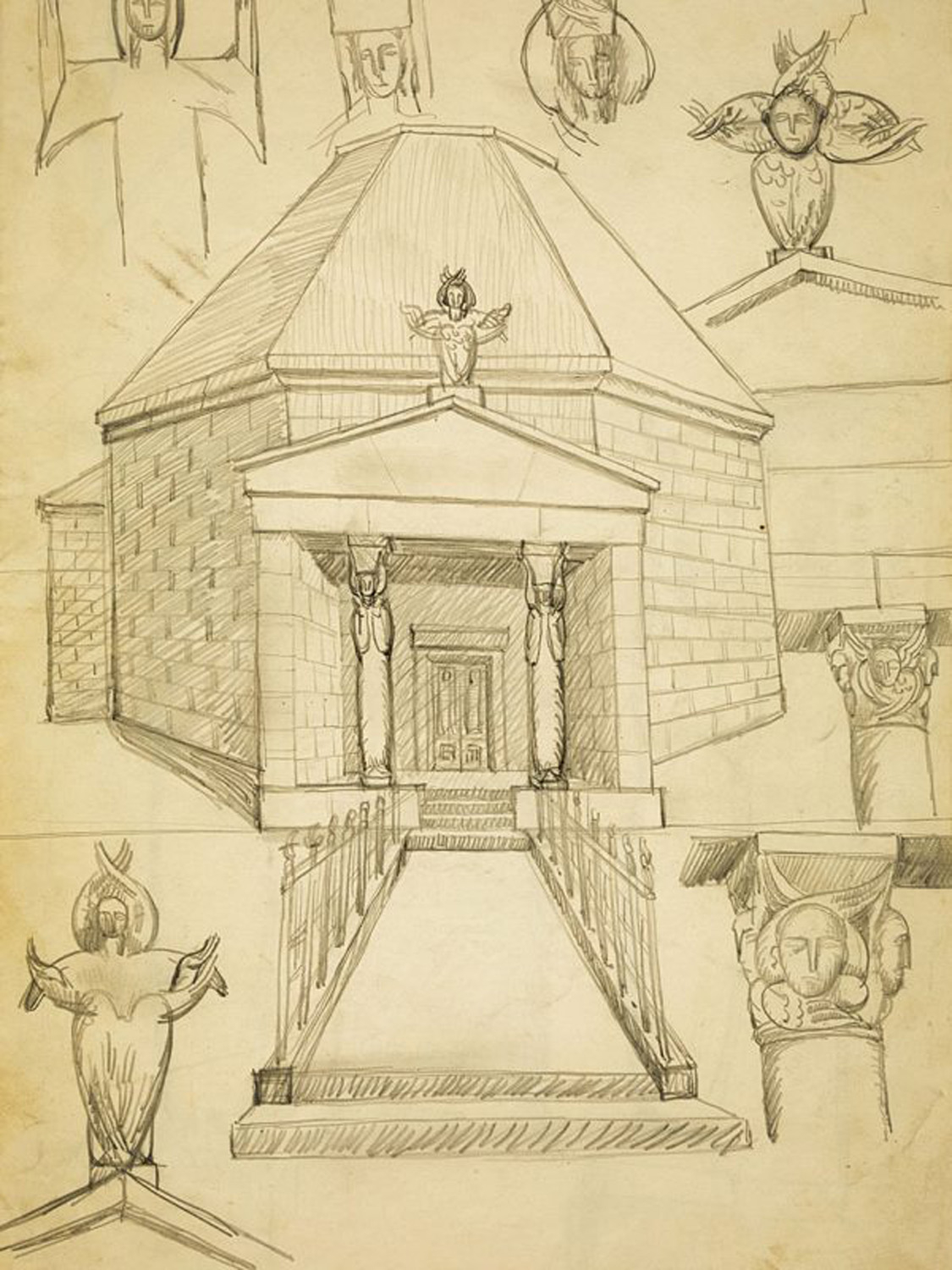
- The sculptor and architect Ivan Meštrović (Vrpolje, 1883 - South Bend, USA, 1962) profiled himself as an artist of unavoidable importance for Croatia, but also for modern international art, through his sculpture, building-sculpture memorials and architectural projects. After a period of informal education in the stone-cutting workshop of Pavle Bilinić in Split, Meštrović went to Vienna, where he initially learned under Otto König, and then at the Vienna Academy. There, he had the opportunity to publicly exhibit his works for the first time at the Secession exhibition in 1903. Meštrović's stylistic expression, especially in the early period, was shaped by classical European art and contemporary works by Bourdelle, Rodin, and Maillol. In 1909, along with Emanuel Vidović and other Split artists, he formed the Medulić group. During World War I, he lived in emigration, and when he returned home, the most fruitful period of his artistic work began - from 1923 to 1942 he was the rector of the Zagreb Academy, while he became a member of the JAZU in 1934. During World War II, he emigrated to Italy and Switzerland, and then to the USA, where he died. In addition to sculpture, which was his primary artistic orientation, Meštrović was also engaged in architecture. Numerous projects and sketches of buildings from the period 1907-1941 have been preserved, showing a close connection between sculpture and architecture at the beginning and then gradual separation and refinement of architectural form. The buildings he designed usually had a festive function and a simple spatial layout, often used as a setting for sculptural works, intended for short visits by visitors. The application of sculptural decoration highlights his specific aesthetic views: Egyptian, ancient and medieval plastic arts served as a frequent source of inspiration, as well as traditional folk architecture. His most significant architectural achievements include the Temple of Kosovo, house and studio in Zagreb, Church of Christ the King on Trnje, Gallery of JAZU and the Art House in Zagreb, Tomb of the Unknown Soldier on Avala and the Kaštelet in Split. Meštrović's Kaštelet is a magnificent historical place with deep artistic and spiritual significance. Originally a 16th-century summer residence owned by the Capogrosso family, the object was acquired by the famous Croatian sculptor in 1939, along with his brother Petar. In collaboration with architect Harold Bilinić, the summer residence was converted into an exhibition space, and Meštrović further built the Chapel of St. Cross there. He changed the courtyard on the west, where he set up a portico for walking with a version of Doric columns. In the church, Mass is held in Old Slavonic, at his wish. On the east is an unfinished chapel of Our Lady of Good Suite for which 4 capitals decorated with angelic faces were intended. The work shown here represents Meštrović's combination of architectural function with sculptural decoration. The capital is of a simple bell shape that deviates from the classic orders and resembles medieval architectural plastic in its contours. On each of the four sides, faces of seraphs are carved, bordered by their wings that emerge from the floral base, with smoothed and stylized physiognomies. Their outside wings roughly resembling leaves in a condensed form remind of the acanthus leaves of the classical Corinthian capital. Meštrović, with the help of his student, the stonemason Krstulović, realized the conceptual idea here, traces of which can be found in many earlier sketches, for example, studies for the Racic family mausoleum, made around 1920.
- bio
- Ivan Meštrović: Our Lady of the Angels - Mausoleum of the Račić family, Cavtat 1920-1922: Glyptotheca HAZU (Gallery I.), October - November 2008: [exhibition catalog] / [Exhibition concept authors and texts Ljiljana Čerina, Lida Roje Depolo] Kečkemet, Duško. "Life of Ivan Meštrović (1883-1962-2002)", School Book, Zagreb, 2009. Piplović, Stanko. "CLASSICISM IN THE ARCHITECTURE OF IVAN MEŠTROVIĆ." Cultural Heritage 45, 2019., pp. 385-420.
- dimensions
-
- depth: 40 cm
- width: 49 cm
- height: 49 cm
- research_info
- The work is registered as a cultural asset under number 340 in the Register of Movable Cultural Assets, by decision of the Regional Institute for the Protection of Cultural Monuments Split, dated 8.11.1988. The work is part of a group of 4 capitals that Meštrović designed for a larger project he envisioned for the Kaštelet estate, specifically for the Church of Our Lady of Good Counsel on Crikvine. 2 out of 4 capitals are located in the collection of the Ivan Meštrović Museum, under inv. No. 988 and 989. The sculptor who helped Ivan Meštrović carve the 4 capitals was his student and protegé Andrija Krstulović, a carver who worked for Ivan Meštrović between 1936 and 1941. The capital is mentioned in Duško Kečkemet's monograph "Life of Ivan Meštrović (1883. - 1962. - 2002.)", Školska knjiga, Zagreb, 2009 on page 165. The head of the commission that registered Meštrović's capital as a cultural asset was Davor Domačić (1926.-2000.), a Croatian art historian and conservator, director of the Regional Institute for the Protection of Cultural Monuments in Split from 1979 to 1992.
- dating
- cca. 1940
- provenance
- povijesna zbirka Petra Meštrovića koju mu je darovao njegov brat Ivan Meštrović; od 1959.-1966., povijesna zbirka Silvestra Meštrovića, koju su mu darovali stričevi Petar Meštrović i Ivan Meštrović, a također i izravnim nasljeđem.
INFORMAȚII SUPLIMENTARE
Fotografiile lotului sunt informative și orientative, neputând să asigure o vedere extrem de detaliată a obiectului din toate unghiurile. Recomandăm inspectarea fizică atentă a lotului înainte de licitare. Informații suplimentare în legătură cu starea de conservare, altele decât cele evident vizibile în fotografia/fotografiile lotului, disponibile pe calea formulării unei solicitări aici.
Pentru neclarități în legătură cu procedura de licitare, costurile adjudecării, termenii de garantare, de plată și de ridicare a lotului adjudecat recomandăm citirea/recitirea cu atenție a Regulamentului de Licitare.
Pentru informații suplimentare în legătură cu lotul și licitația contactați Departamentul de Consultanți de Artă.